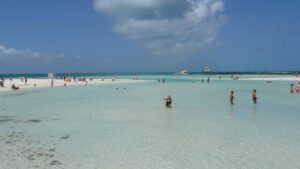
México closed the first half of 2026 with a record 51,1 millones de visitantes internacionales and an economic impact of more than 18.780 millones de dólares. Within that total a type of tourism is growing on its own terms: it’s not here for the beach — it’s here for the dentist.
Quintana Roo is the engine behind both phenomena. The state tops national tourism results — just Cozumel and Mahahual together accounted for more than 6,6 millones de cruceristas — and, at the same time, has become one of the benchmark destinations for medical tourism in the Americas. Today it receives more than 20.000 international patients a year, with spending exceeding 180 millones de dólares and seven hospitals with international certifications.
The segment is growing at a steady rate of 15% anual, and the driver isn’t here: it’s in the north. Rising healthcare costs in Estados Unidos are pushing U.S. and Canadian patients to look to the Caribe mexicano for the same care they can’t afford at home. In dentistry the gap is dramatic: a procedure can cost up to 70% less than in Norteamérica.
The stat that should keep any clinic up at night
More than un millón de estadounidenses travel abroad every year specifically for dental care. Clinics in Cancún report a 15% increase in implant patients from Estados Unidos over the past year, and Mexican dental market projections point to nearly 2.200 millones de dólares in 2033, with a compound annual growth rate of 19.7% from this year.
Translated: the demand is already here. The question isn’t whether they’ll come, but which clinic they’ll choose.
And this is where almost all of them fail
That patient doesn’t behave like a local patient. They don’t walk past the clinic, a neighbor doesn’t refer them, and they don’t call on a whim. They do this exactly: they search on Google in English, compare prices that almost no one publishes, read reviews with a magnifying glass, and message on WhatsApp from another country before booking a flight.
Four practical consequences for a dental clinic’s marketing in Cancún:
- If your website isn’t in English, you don’t exist. Not half‑translated: written in English, with the searches they use — dental implants Cancún, all on 4 México cost — not the ones we make.
- Publish prices. It’s the number‑one objection and the reason for the trip. The clinic that forces prospects to request a quote via form loses to the one that posts the price and the breakdown.
- Reviews are your certification. Someone about to have oral surgery 3,000 kilometers from home clings to the only thing they can verify. Recent reviews, in English and with clinic responses, matter more than any ad campaign.
- Sell the whole trip, not just the treatment. Airport transfer, hotel, how many days they need to stay, what happens if something goes wrong after they return. The patient isn’t comparing dentists: they’re evaluating a trip that includes anesthesia.
The opportunity — and the risk
Medical tourism is one of the most resilient segments in the sector: it doesn’t depend on high season or the next hurricane, and its customer decides based on money and quality, not trends. For a city that lives off the all‑inclusive model, that’s gold.
The risk is the usual one when a market grows at 20% a year: that it fills up with amateurs. A clinic that wants to last in this business will have to compete with transparency and verifiable accreditations, not just price. Because the patient arriving from Estados Unidos has already compared twenty sites before messaging you, and they can tell perfectly well which one is written for them and which is an automatic translation.
Fuentes: Secretaría de Turismo y datos del primer semestre de 2026, reportes de turismo médico de Quintana Roo y proyecciones del mercado de turismo dental en México. Imagen: dronepicr / Wikimedia Commons, CC BY 2.0.